

Kodo Millet (कोदो बाजरा)
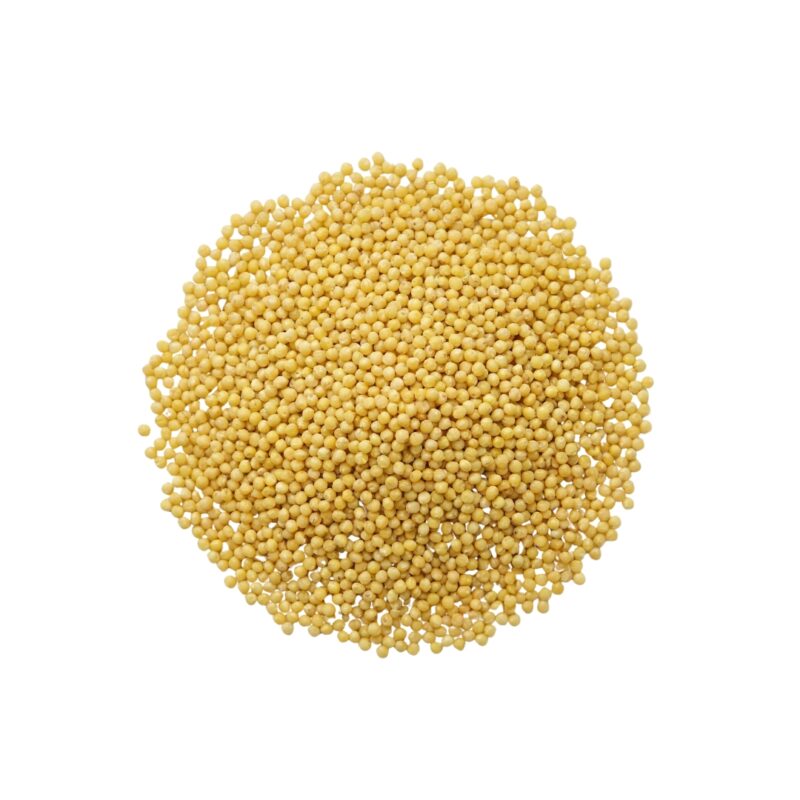
Kodo Millet grains are small, dark brown to blackish, and oval in shape. They are hardy, require minimal water, and are often cultivated in arid and semi-arid regions. Kodo millet is rich in protein, dietary fiber, and minerals, making it a healthy alternative to rice or wheat.
Key Features
Grain Type: Small, round to oval grains, usually dark-colored.
Nutritional Benefits: High in protein, fiber, iron, magnesium, and B-vitamins; gluten-free.
Texture & Cooking: Cooks relatively quickly; grains are soft, slightly nutty in flavor, and can be used whole or ground into flour.
Agricultural Benefits: Drought-tolerant, grows in poor soils, and resistant to pests.
Common Uses
Food:
Porridge, upma, khichdi, and dosa batter
Flour for rotis, pancakes, and baked goods
Fermented or traditional dishes in South India
Health Foods: Ideal for weight management and diabetic diets due to high fiber and low glycemic index
Animal Feed: Occasionally used as fodder
Kodo Millet grains are small, dark brown to blackish, and oval in shape. They are hardy, require minimal water, and are often cultivated in arid and semi-arid regions. Kodo millet is rich in protein, dietary fiber, and minerals, making it a healthy alternative to rice or wheat.
Key Features
Grain Type: Small, round to oval grains, usually dark-colored.
Nutritional Benefits: High in protein, fiber, iron, magnesium, and B-vitamins; gluten-free.
Texture & Cooking: Cooks relatively quickly; grains are soft, slightly nutty in flavor, and can be used whole or ground into flour.
Agricultural Benefits: Drought-tolerant, grows in poor soils, and resistant to pests.
Common Uses
Food:
Porridge, upma, khichdi, and dosa batter
Flour for rotis, pancakes, and baked goods
Fermented or traditional dishes in South India
Health Foods: Ideal for weight management and diabetic diets due to high fiber and low glycemic index
Animal Feed: Occasionally used as fodder


Reviews
There are no reviews yet.